How to Get Query String Parameters in Angular
queryParamMap is an Observable, not a plain object — subscribing to it, not just reading it once, is what keeps a component correctly in sync when only the query string changes on the same route.
GUIDES
queryParamMap is an Observable, not a plain object — subscribing to it, not just reading it once, is what keeps a component correctly in sync when only the query string changes on the same route.

Seeders populate the database with sample or default data — combined with factories, they're what makes a fresh local environment usable in seconds instead of requiring manual data entry.
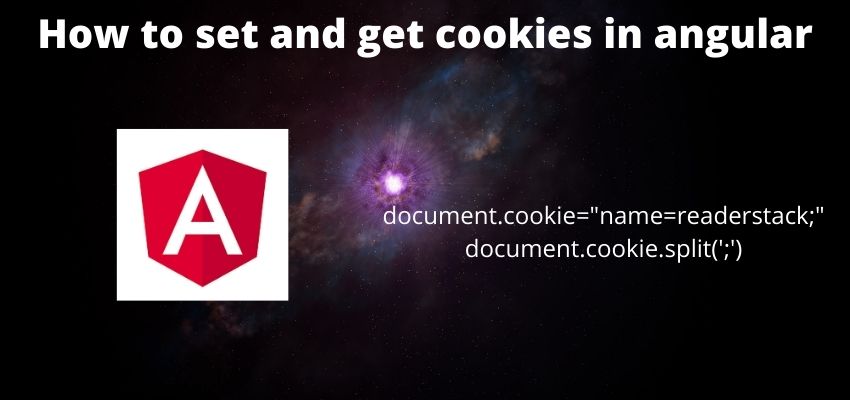
Angular has no built-in cookie API of its own — reading and writing document.cookie manually works but is genuinely fiddly, which is exactly why a small dedicated package is the more common real-world choice.
belongsTo, hasMany, hasOne, joins, and the aggregate methods (sum, avg, min, max, count) — the building blocks for querying related data in Eloquent.
Client-side PDF generation trades server load for real rendering-fidelity limits — for anything needing pixel-perfect output, generating the PDF server-side remains the more reliable choice.
Angular doesn't allow *ngIf and *ngFor on the same element directly — a wrapping ng-container is the standard workaround, avoiding an extra real DOM element just to hold the second directive.
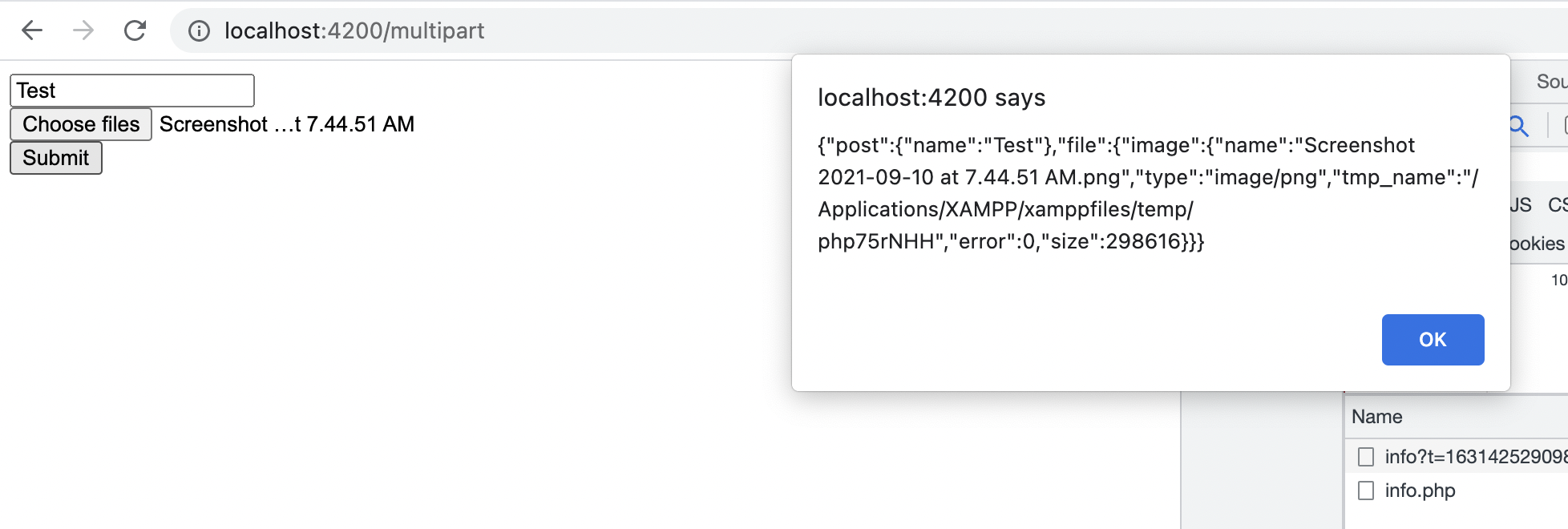
A file input's value isn't part of a reactive form's normal FormControl state — it needs to be captured separately and assembled into FormData before sending.
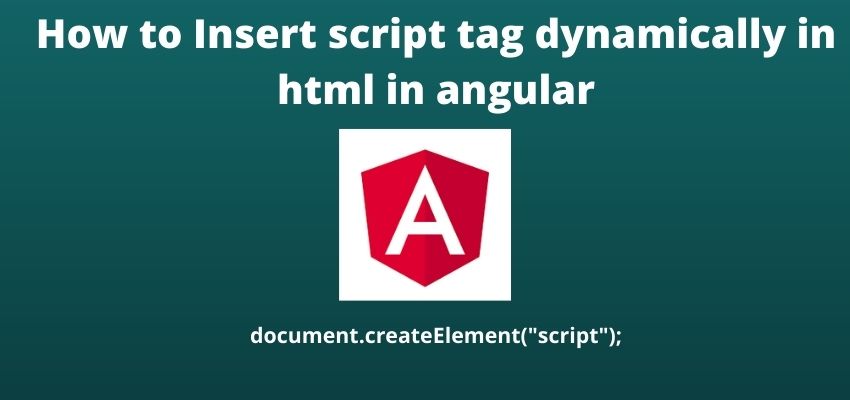
Renderer2, not direct DOM manipulation, is the correct way to insert either kind of tag — it's what keeps the operation safe for server-side rendering, where document isn't directly available.
Passing data between routes, refreshing a page after popping back to it, and subscribing to navigation events all build on the same Navigator API.
ControlValueAccessor is the interface that lets a completely custom component plug into formControlName exactly like a native input — without it, Angular has no way to read or write the component's value.
Three small, specific Eloquent patterns that come up often enough to be worth knowing directly rather than re-deriving each time.
The preview itself happens entirely client-side via the FileReader API — the image is only actually sent to the server once the form is submitted, not as the file is selected.