Validating Matching Passwords With Vanilla JavaScript
The native Constraint Validation API — setCustomValidity() specifically — lets a browser show its own built-in validation message for a custom check like password matching, without a framework.

GUIDES
The native Constraint Validation API — setCustomValidity() specifically — lets a browser show its own built-in validation message for a custom check like password matching, without a framework.

A single script tag and an init function are all that's needed — worth understanding the real trade-offs against genuine, hand-translated multi-language content before relying on it.
AJAX itself can't trigger a browser navigation — the redirect happens with plain JavaScript inside the success callback, once the AJAX call has confirmed the server-side action completed.
Two small, frequently-needed jQuery patterns for reading form input state — a checkbox's checked status, and which radio button in a group is currently selected.
serialize() automatically collects every named field in a form into a query-string-formatted value — the single detail that turns converting a normal form into an AJAX submission into a two-line change.
Single-line truncation is three CSS properties working together — multi-line truncation needs the newer, less universally supported line-clamp property instead.
The core pattern is always the same three steps: intercept the action, fetch or send data with AJAX, then update the specific DOM elements that changed — no full page reload needed.
HTML5 attributes handle the simplest cases for free — plain JavaScript and jQuery both step in for anything more specific, but neither replaces validating the same data again on the server.
Clearing existing options before appending new ones is the detail that separates a working dependent-dropdown pattern from one that silently accumulates duplicates.
Five HTTP methods cover essentially all of REST: GET, POST, PUT, PATCH, and DELETE — each mapped to a specific, conventional meaning that a well-designed API sticks to consistently.
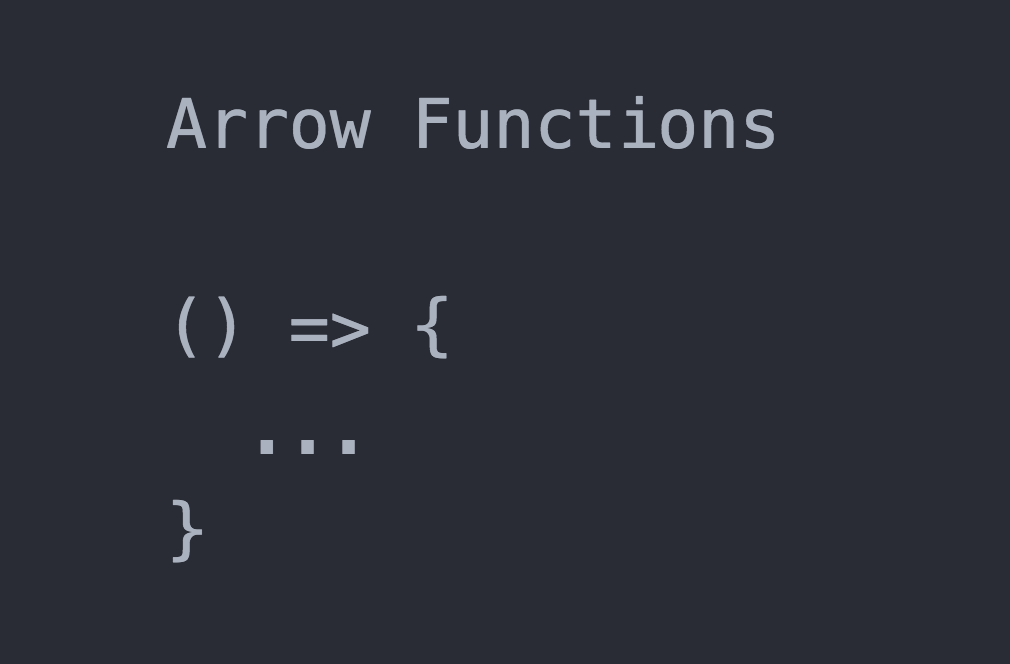
Arrow functions are shorter to write than function expressions, but the real difference that matters is how they handle this — they don't rebind it.