Laravel Eloquent Where Clauses and Query Filtering: A Complete Reference
The where-family methods cover most of what you need to filter Eloquent queries — this reference covers the syntax for each variant in one place.

GUIDES
The where-family methods cover most of what you need to filter Eloquent queries — this reference covers the syntax for each variant in one place.
Every one of these share buttons is really just a specially formatted URL — no SDK, API key, or JavaScript library is genuinely required for a basic share link to any of these platforms.
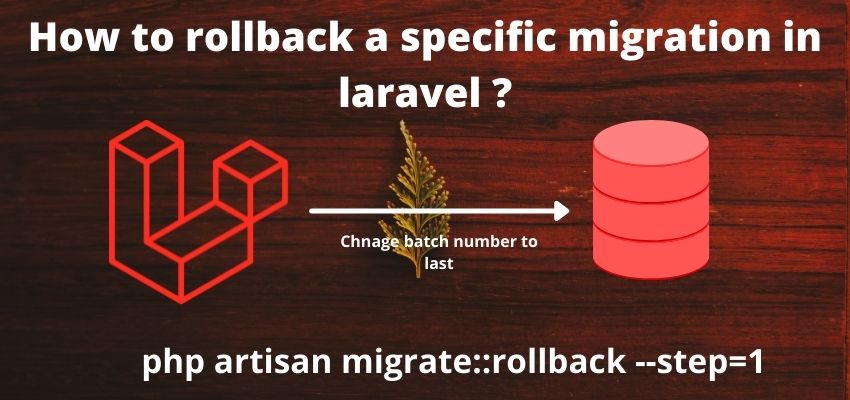
Rollback only ever runs a migration's down() method — if that method was never written correctly (or at all), rollback either does nothing or fails outright, regardless of how the up() method itself behaved.
reCAPTCHA v3 never shows a visible challenge at all — it scores the request invisibly, which trades a smoother user experience for having no direct 'prove you're human' moment for a legitimate user to interact with.
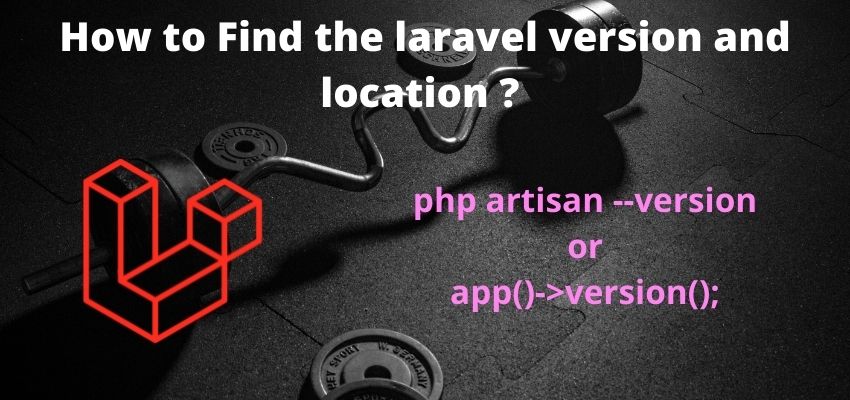
The version in composer.json is only ever a constraint range, never the exact installed version — composer.lock (or php artisan --version) is what actually reflects the specific version currently installed.
Laravel Socialite abstracts every OAuth provider behind the exact same redirect()/user() interface — adding Facebook alongside an existing Google login is mostly a matter of repeating the same three steps with a different driver name.
localStorage is plain browser JavaScript, not an Angular-specific API — wrapping it in a service, and remembering it only stores strings, are the two practical details that matter.
A custom validator function follows one fixed contract — take a control, return null or an error object — which is exactly what makes it composable alongside Angular's own built-in validators.
Reading query params reactively with ActivatedRoute, and switching from hash-based to path-based routing for deployment — two routing details that trip people up early on.
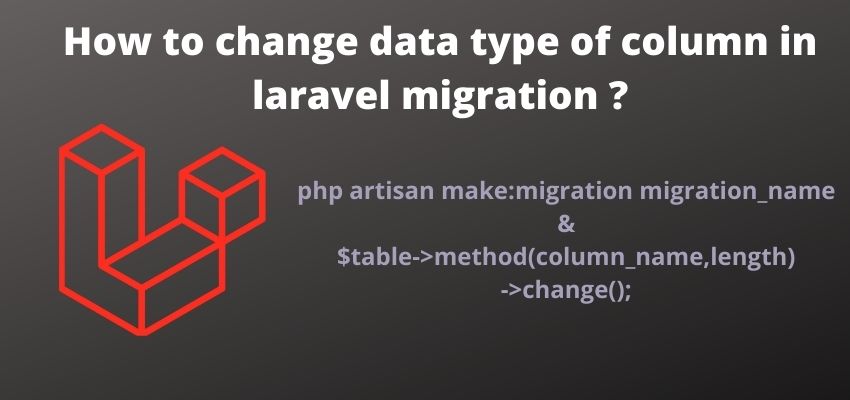
Laravel's change() syntax is simple; safe production type changes require preserving modifiers, validating values, and planning for DB-specific DDL costs.
Switching to a clean, hash-free URL shifts routing responsibility onto the actual web server — without a rewrite rule pointing every path back to index.html, a hard refresh on any inner route 404s.
A handful of small helper functions for finding your way around a Laravel application's filesystem and checking its framework version.