Building AJAX Pagination With Search in Laravel
Laravel's own pagination links work over AJAX with one small adjustment — intercepting their click events instead of letting the browser navigate to them directly.
GUIDES
Laravel's own pagination links work over AJAX with one small adjustment — intercepting their click events instead of letting the browser navigate to them directly.
A Blade directive is ultimately just a string-to-string PHP code transformation registered with the compiler — it has no runtime behavior of its own beyond whatever raw PHP it expands into.
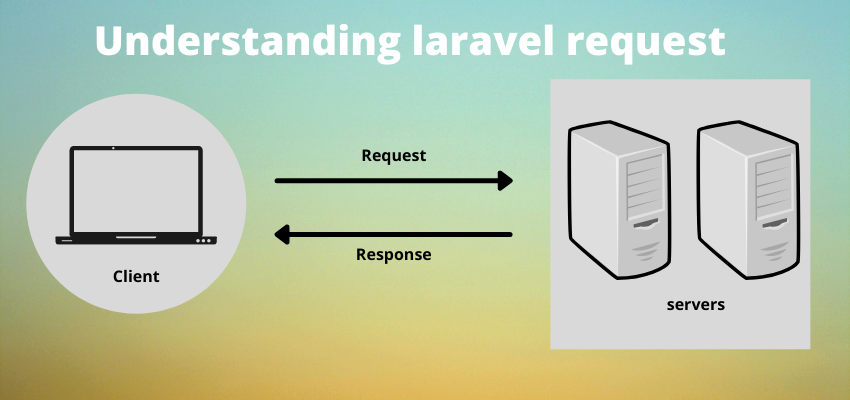
input(), query(), all(), and has() — the different ways to pull data off a Request, and why input() quietly merges route parameters with the query string and body.
Calling one controller's method from another is usually a sign the shared logic belongs in a service class instead — a controller resolving another controller through the container works, but it's rarely the cleanest fix.
Apache is one of the two dominant web servers (alongside Nginx) — it receives HTTP requests and hands them off to PHP, static files, or a reverse-proxied application.
Str::slug() handles the text transformation — the actual hard part of a real slug generator is checking for and resolving collisions, which is exactly where a reusable trait pays off.
Beyond the basic image rule, Laravel can validate exact or ratio-based dimensions, restrict specific formats, and limit file size — all without touching the image itself in application code.
Every translation string still needs an English (or default-locale) fallback file — a missing key doesn't silently show blank text, it just prints the key itself, which is a fast way to spot an untranslated string.
The when() method for conditionally applying a clause only if a value is present is the one technique here that consistently eliminates the most repetitive if/else query-building boilerplate.
put(), get(), flash(), and forget() cover most session needs — the flash() method specifically exists for data that should survive exactly one redirect, then disappear.
Validators.required and friends cover the basics — the parts that actually trip people up are writing a custom validator function and validating one field against another.
The image rule alone only checks the file extension and MIME type — dimensions, aspect ratio, and a genuinely minimum file size all need their own separate, explicit rules layered on top.