Importing and Exporting Excel and CSV Data in Laravel
The maatwebsite/excel package handles both directions — exporting a query's results to a downloadable spreadsheet, and reading an uploaded file's rows back into the database.
GUIDES
The maatwebsite/excel package handles both directions — exporting a query's results to a downloadable spreadsheet, and reading an uploaded file's rows back into the database.

DomPDF renders using its own internal engine, not a real browser — CSS Grid, Flexbox, and modern layout features are only partially supported, which is exactly why a complex layout can look noticeably different in the generated PDF.
Bootstrap 5 dropped its jQuery dependency, making it a genuinely clean fit for Laravel's default Vite-based asset pipeline — install via npm, import, and build.
The preview itself happens entirely client-side via the FileReader API — the image is only actually sent to the server once the form is submitted, not as the file is selected.
Every one of these share buttons is really just a specially formatted URL — no SDK, API key, or JavaScript library is genuinely required for a basic share link to any of these platforms.
reCAPTCHA v3 never shows a visible challenge at all — it scores the request invisibly, which trades a smoother user experience for having no direct 'prove you're human' moment for a legitimate user to interact with.
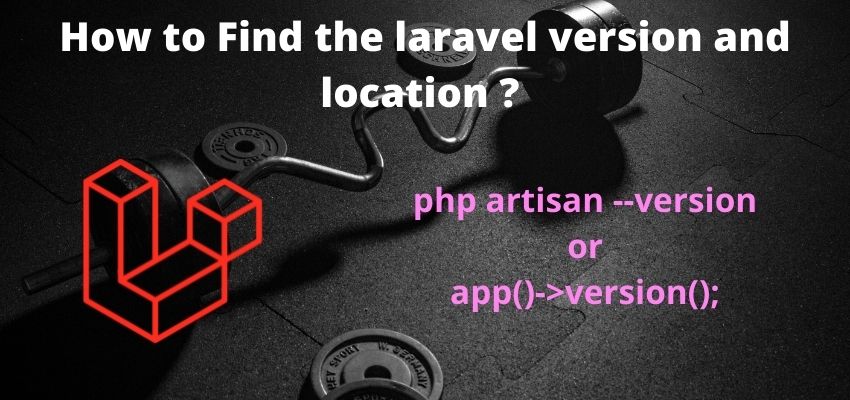
The version in composer.json is only ever a constraint range, never the exact installed version — composer.lock (or php artisan --version) is what actually reflects the specific version currently installed.
Laravel Socialite abstracts every OAuth provider behind the exact same redirect()/user() interface — adding Facebook alongside an existing Google login is mostly a matter of repeating the same three steps with a different driver name.
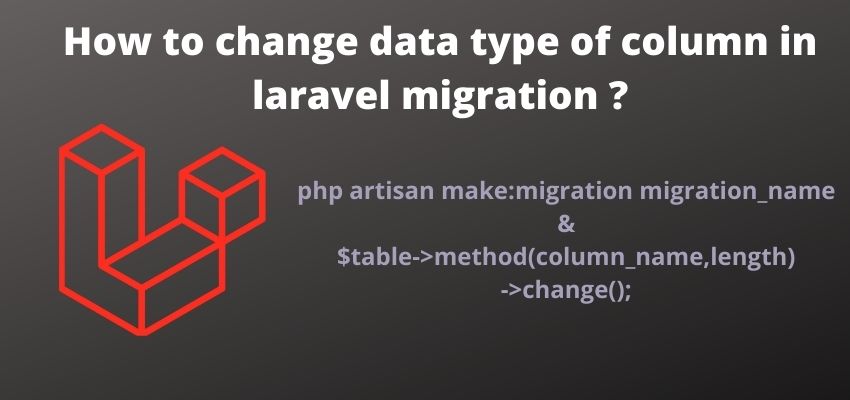
Laravel's change() syntax is simple; safe production type changes require preserving modifiers, validating values, and planning for DB-specific DDL costs.
A handful of small helper functions for finding your way around a Laravel application's filesystem and checking its framework version.
Laravel caches five different things separately — config, routes, views, events, and application data — and clearing one doesn't touch the others.
when() keeps a filterable query readable as one fluent chain, avoiding the nested if statements and reassigned query variable that conditional filtering would otherwise require.